
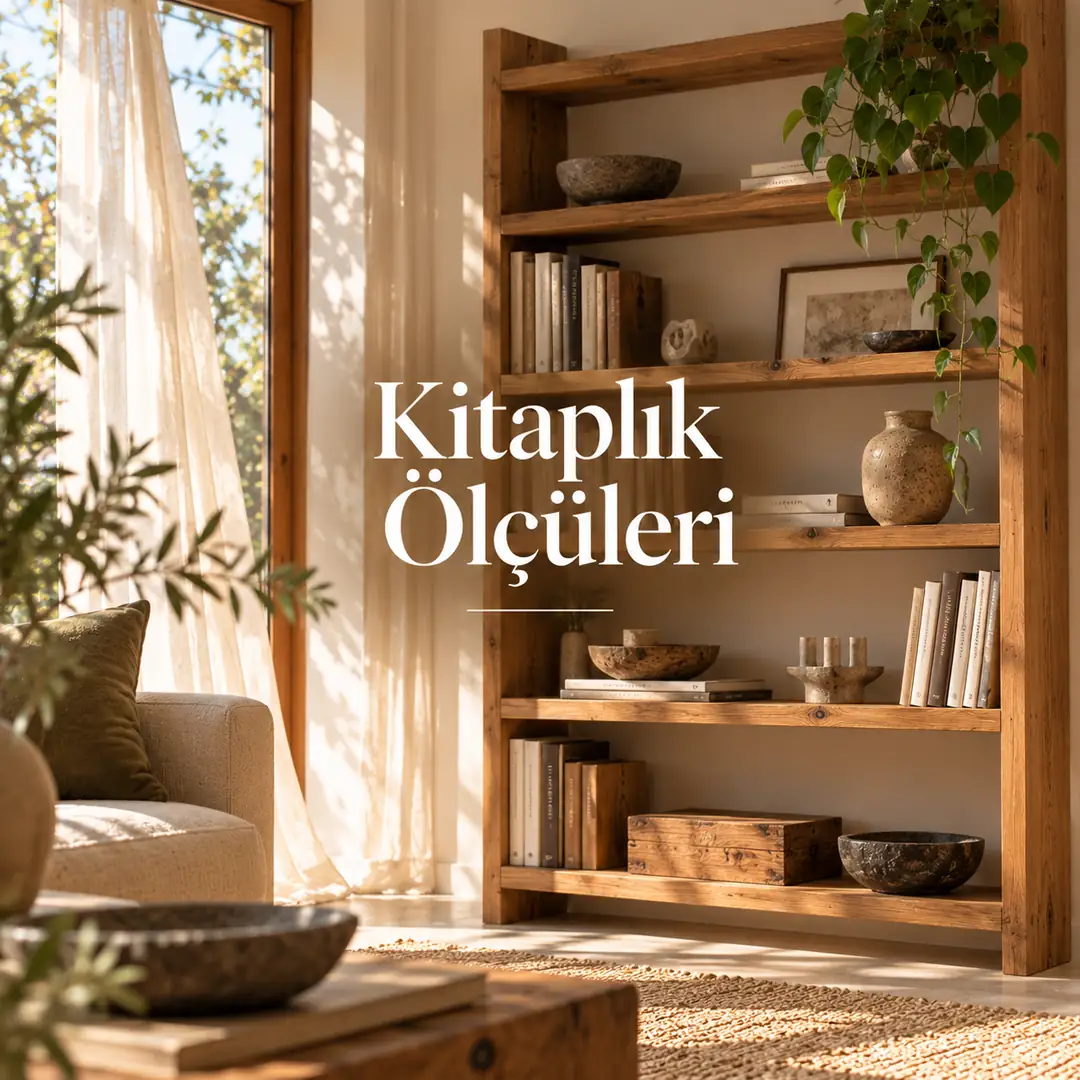
Bookcase Dimensions: Choosing Shelf Depth and Spacing
A bookcase should be practical as well as beautiful. Consider whether your novels, oversized art books and decorative objects will fit. Shelf depth, clear height, timber thickness and the intended space matter as much as the overall design.
1. How Deep Should a Bookcase Be?
Very deep shelves can occupy unnecessary room, while shallow shelves may not accommodate larger books or objects. Approximate usable shelf depths are:
- Pocket books and small novels: 15–20 cm.
- Standard novels: 20–25 cm.
- Larger books: 25–30 cm.
- Art and architecture books: 30–35 cm.
- Books and decorative objects: 30–40 cm.
Measure your collection before choosing. Around 30 cm of usable depth is a balanced starting point for mixed displays. A slimmer design may save space if you mainly store novels.
2. How Much Space Should You Leave Between Shelves?
The important consideration is what each shelf will hold. Equal spacing is not essential.
Novels and standard books
Many novels are approximately 20–24 cm tall. A clear shelf height of 25–30 cm may be suitable, leaving a little room above the books so they are easy to remove.
Oversized books
Art, architecture, design and photography books may need a clear height of 35–40 cm. Measure your tallest book before buying.
Decorative objects
Vases, sculptures, small artworks and other objects can add character to a display. Consider 35–45 cm or more of clear height, depending on the objects. The Pisa and Verona Solid Wood Bookcases offer options for displaying books and decor; compare their clear shelf dimensions with your items. Varying the shelf heights can create a more dynamic arrangement.
3. External and Usable Dimensions Are Different
A bookcase that is 90 cm wide overall may have less usable shelf width because of side panels and supports. With two 3 cm-thick side panels, the clear width is 90 − 3 − 3 = 84 cm.
Likewise, if shelf tops are 35 cm apart and the upper shelf is 3 cm thick, the usable height is approximately 32 cm. Back panels, front rails and other details can reduce usable depth. Ask for the clear dimensions as well as the external measurements.
4. How Wide Should a Bookcase Be?
Base the width on your wall and collection. A 60–80 cm bookcase may suit a small area; 120–180 cm or wider designs may work in a large living room.
Books are heavy. Long shelves can sag depending on the wood species, thickness, load and support system. Appropriate thickness, strong joints and, where needed, a central support are important. Shelf thickness alone does not establish load capacity.
5. How High Should a Bookcase Be?
Low bookcases
Approximately 80–120 cm-high designs can work beneath windows or in small rooms, with the top also used for decorative objects.
Medium-height bookcases
Heights of approximately 150–180 cm can suit many homes and keep much of a collection within comfortable reach.
Tall bookcases
Heights of 200–240 cm or more can suit large collections and high ceilings. Plan access to upper shelves and anti-tip safety. Tall bookcases should be securely anchored using fixings appropriate to the wall. The Solid Wood Bookcase with Ladder is one example to consider when assessing height, access and anchoring requirements.
6. Why Does the Gap Behind the Bookcase Matter?
Allow for baseboards
A projecting baseboard can prevent a bookcase from sitting close to the wall. For example, a 2 cm projection may create an unexpected gap. A suitable recess at the lower rear can be planned in a custom design.
Plan outlets and cables
Consider outlets for lighting, chargers and other equipment. Cable routes can be planned during custom production.
Do not overlook wall anchoring
Heavy or tall bookcases can tip and cause serious injury, especially in homes with children. Use fixings appropriate to the wall and ensure the anchoring is secure.
7. Choosing a Bookcase for a Small Living Room
Consider shallower shelves, open designs, vertical storage and wall-mounted shelving. A simple 25 cm-deep bookcase takes up less floor space than a 40 cm-deep cabinet. Light wood and simple lines can also create a more open appearance. Compare the dimensions of the Mini Wooden Bookcase and Massa Solid Wood Ladder Bookcase with your available space.
8. Should Shelf Spacing Be Equal?
Equal spacing creates an orderly, symmetrical appearance. Varied heights may work better for a mixed collection. In a bookcase with five compartments, you might allocate two to novels, one to oversized books, one to decorative objects and one to mixed use. Adjustable shelves can adapt as your collection changes.
9. What Should You Look for in a Solid Wood Bookcase?
Beyond the natural grain and appearance, consider the wood species, shelf thickness, supports, joints and finish. Strong construction matters particularly for wide and tall designs.
Solid wood can move with changes in humidity and temperature. Properly dried timber and appropriate production techniques are important. A well-designed bookcase can store your collection while adding character to the room.
10. Is a Custom-Size Bookcase Worth Considering?
Every home and collection is different. Custom dimensions can help when a standard bookcase does not fit a wall or your books. Details to plan might include a 35 cm-deep art-book shelf, 25 cm-deep shelves for novels, varied compartment heights, a baseboard recess or a specific overall width and height.
At OWD, we consider the intended space, usable shelf dimensions and daily requirements together to create simple, functional solid wood furniture for years of use.
Finding the Right Dimensions
- Novels: approximately 20–25 cm of usable depth and 25–30 cm of clear height.
- Oversized books: approximately 30–35 cm of depth and 35–40 cm of clear height.
- Decorative objects: approximately 30–40 cm of depth, with height suited to the items.
- Mixed use: around 30 cm of usable depth is a useful starting point.
The best bookcase fits your collection, routine and room as well as your wall. Explore OWD’s solid wood bookcase collection to bring the warmth of natural wood into your home.

Lorem ipsum dolor sit amet, consectetur adipiscing elit. Suspendisse velit nisl, aliquam eget sodales in, scelerisque malesuada lorem. In nec pretium purus, eu accumsan ante.