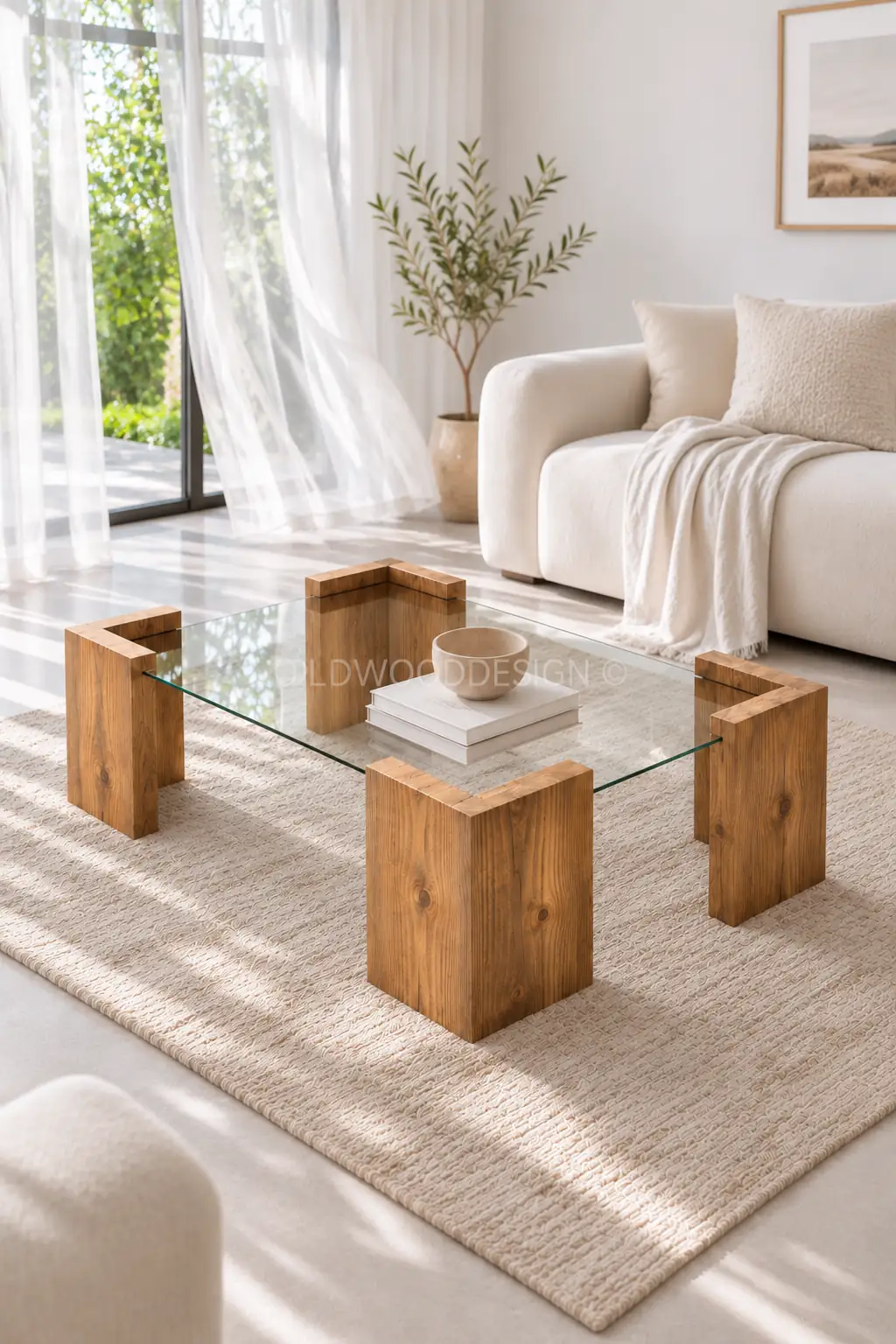

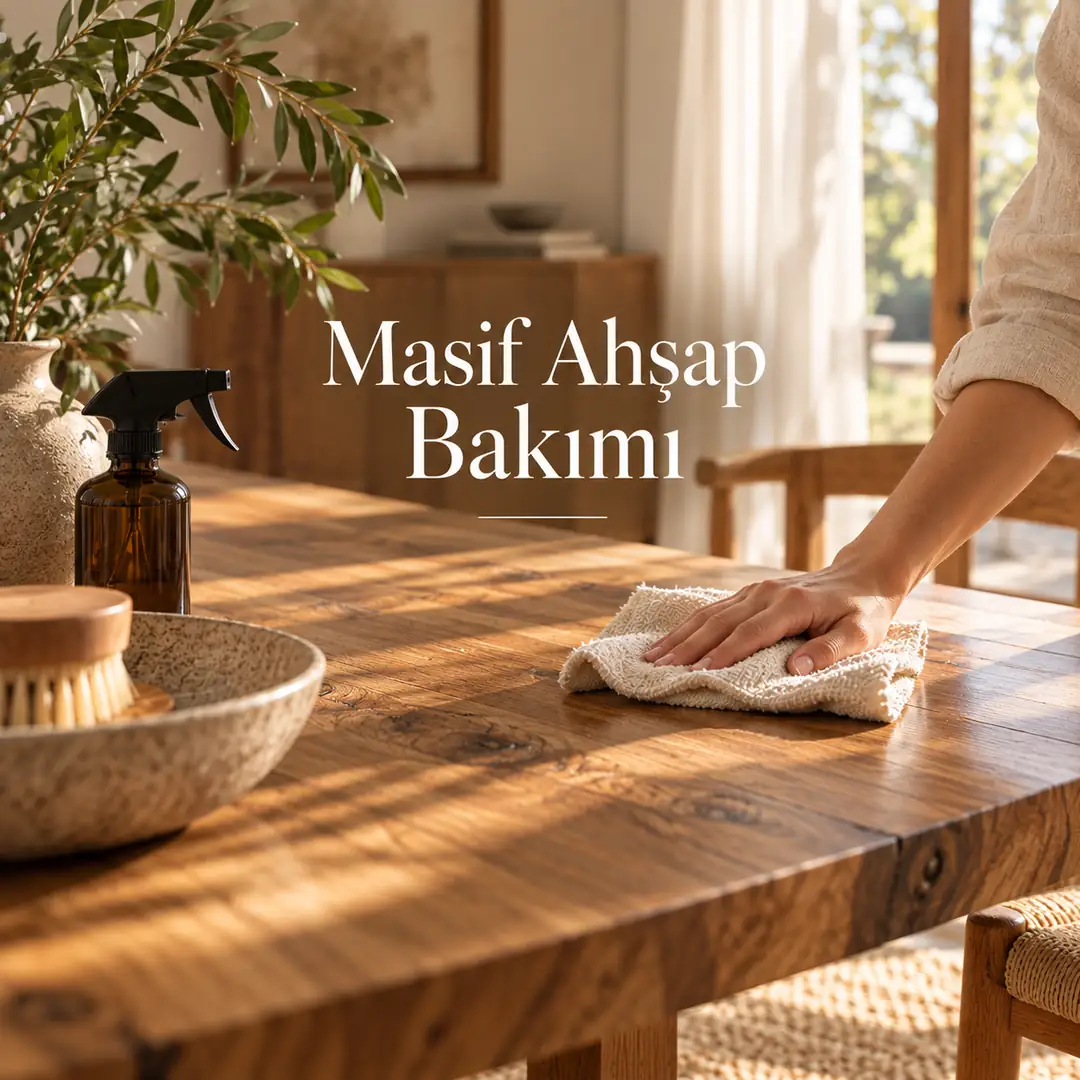
How to Clean and Care for Solid Wood Furniture
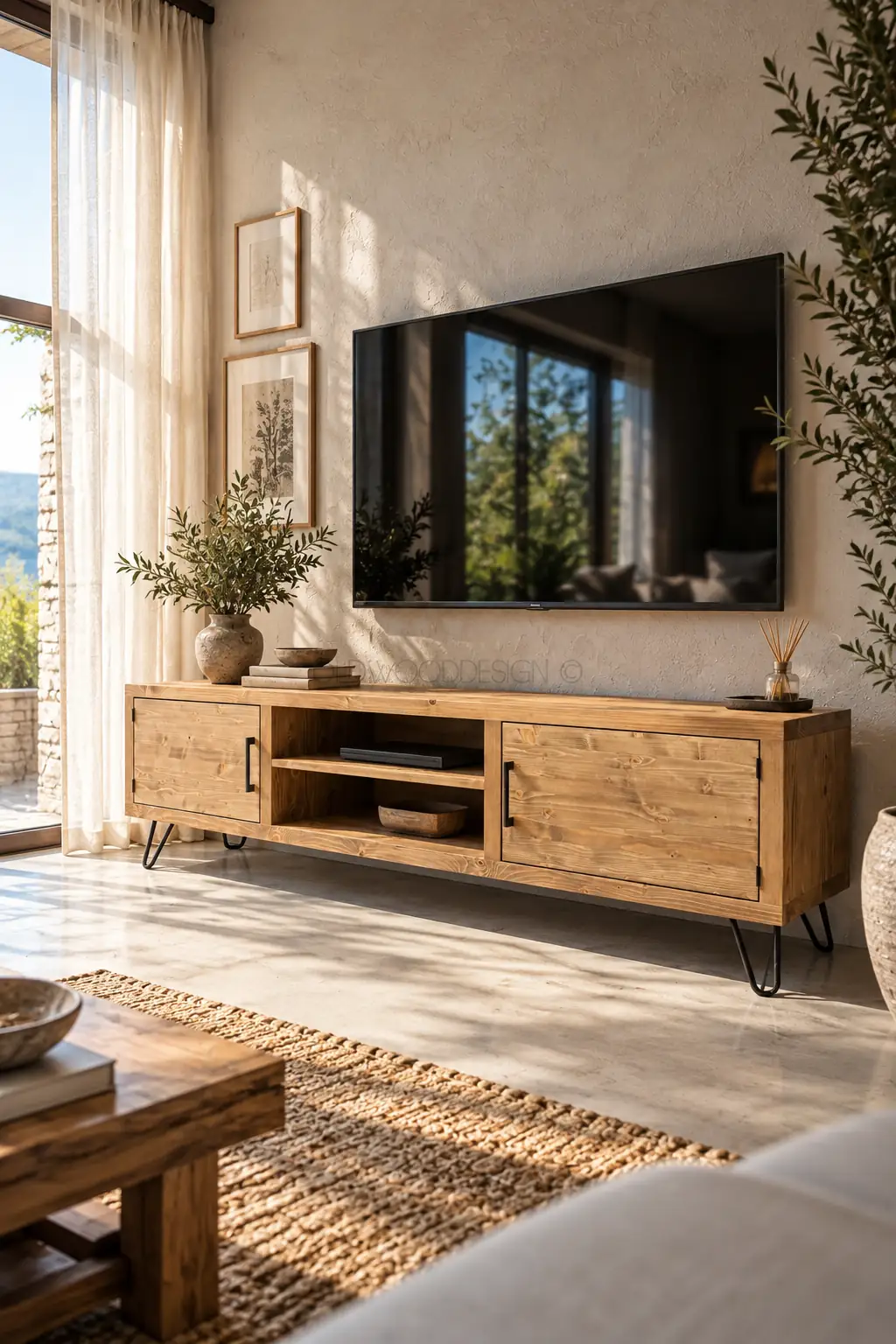
Solid wood furniture brings warmth and character to a home. To preserve its natural beauty for years, it needs appropriate cleaning and care. Whether you own a dining table, sideboard, coffee table, bookcase or desk, a few simple habits can help protect its appearance.
This guide explains everyday cleaning, suitable products, practices to avoid and ways to extend the life of solid wood furniture.
The First Rule of Solid Wood Care
Avoid exposing the surface to excessive water or harsh chemicals. For most everyday cleaning, a clean, soft cloth, a slightly damp cloth when needed and a dry cloth afterward are sufficient. Wring the cloth out well: standing water or prolonged moisture can cause damage.
How to Clean Solid Wood Furniture
First remove dust and crumbs with a soft cloth. If necessary, slightly dampen the cloth and wipe gently in the direction of the grain. Finish with a soft, dry cloth to remove remaining moisture. Regular, gentle cleaning is particularly useful for frequently used dining tables and desks.
Everyday cleaning, step by step
- Remove dust with a clean, soft cloth.
- If needed, use a slightly damp cloth, wrung out thoroughly.
- Wipe gently without vigorous scrubbing.
- Dry the surface so no water or moisture remains.
Which Cleaning Products Should You Use?
Wood furniture may have an oil, varnish, lacquer or another protective finish. Choose products suitable for the specific surface. Plain water and a soft cloth are often sufficient for everyday cleaning. Before using a stronger cleaner, check that it is compatible with the finish and follow the manufacturer’s care instructions.
Products to Avoid
Unless specifically recommended by the manufacturer, avoid bleach, cleaners with a high alcohol content, abrasive cleaners, powdered detergents, harsh chemical surface cleaners, rough sponges, wire scourers and abrasive cloths. These can damage the protective finish or change the appearance of the surface.
How to Clean Stains on a Solid Wood Table
Clean spills promptly. Blot coffee, tea, water or food spills with a soft, dry cloth. If needed, wipe the area with a slightly damp cloth and dry it afterward.
If a stain has penetrated the surface, find out which treatment is suitable for the finish before attempting a stronger method. Using the wrong technique on oil, ink or strongly colored stains may cause further damage.
What Should You Do If Wood Furniture Gets Wet?
There is no need to panic after a spill. Remove the liquid promptly with a clean, soft cloth and leave the surface dry. Prevent water from sitting on the wood, especially around joints.
Can Hot Objects Damage Wood Furniture?
Do not place hot pans, pots, baking dishes or very hot serving pieces directly on wood. High temperatures can discolor or mark some surfaces and damage the protective finish. Use a suitable trivet or heat-resistant protector, particularly on dining tables.
Should You Protect Wood Furniture from Sunlight?
Natural wood can change color with exposure to light. This may be part of its natural character, but uneven exposure can create differences between areas. Avoid prolonged, intense direct sunlight where possible, especially for tables and sideboards beside large windows.
Does Humidity Affect Solid Wood?
Yes. Changes in humidity and temperature can affect wood. Avoid placing furniture in excessively damp areas, beside constantly wet surfaces or immediately next to strong heat sources. Small movements over time are a natural characteristic of wood.
How to Reduce Scratches
Everyday wear cannot always be prevented, but careful use can reduce it.
- Do not drag hard or rough objects across the surface.
- Use suitable protective pads beneath decorative objects.
- Lift ceramic, metal and stone accessories instead of sliding them.
- Use an appropriate surface protector beneath computers and other desk equipment.
Signs of use can become part of a piece’s story. Proper care helps reduce unnecessary marks.
Should You Apply Oil or Polish?
There is no single answer for every piece of furniture. Care depends on the wood species and finish. An oiled surface and a varnished surface should not be maintained in the same way. Do not apply oil, polish or other care products without first identifying the finish. Follow the manufacturer’s recommended products and methods.
How to Extend the Life of Solid Wood Furniture
A complicated routine is usually unnecessary. Gentle, regular cleaning is a good starting point.
- Wipe up spills promptly.
- Avoid excess water and do not leave the surface wet.
- Use trivets beneath hot objects.
- Avoid harsh chemicals and products of unknown compatibility.
- Limit prolonged exposure to intense sunlight and high heat.
- Follow care instructions for the specific wood and finish.
Are Natural Changes Normal?
Yes. Slight changes in color, more noticeable grain and small movements caused by seasonal humidity and temperature changes can be part of solid wood’s natural character. Think of it as a material that develops character over time.
Caring for OWD Solid Wood Furniture
At OWD, we value the natural character of wood. A furniture piece’s longevity depends on the timber, production process, finish and everyday use. Follow the recommendations specific to the materials and finish of your OWD piece. With suitable care, it can remain part of your home for years.
Simple Habits Make a Difference
Gentle cleaning, minimal moisture, compatible care products and careful use form the foundation of good wood care. Remember that the correct method varies with the species and finish. The manufacturer’s advice is the best starting point.
Explore OWD’s solid wood collection to discover the timeless character of natural timber.
Check the Finish Before Buying
For frequently used dining tables and coffee tables that hold glasses, plant pots or decorative objects, check the finish before purchasing. The wood material and its surface protection are separate considerations. Our guide to solid wood explains the basic differences.
Should you oil a varnished piece?
Do not apply oil directly to a varnished surface as a routine care treatment. For example, the Solid Wood Vintage Desk specifies a matte polyurethane varnish. Choose care products suitable for a varnished surface rather than automatically using an oil or polish recommended for another piece.
What information should you share if a stain will not come out?

Lorem ipsum dolor sit amet, consectetur adipiscing elit. Suspendisse velit nisl, aliquam eget sodales in, scelerisque malesuada lorem. In nec pretium purus, eu accumsan ante.