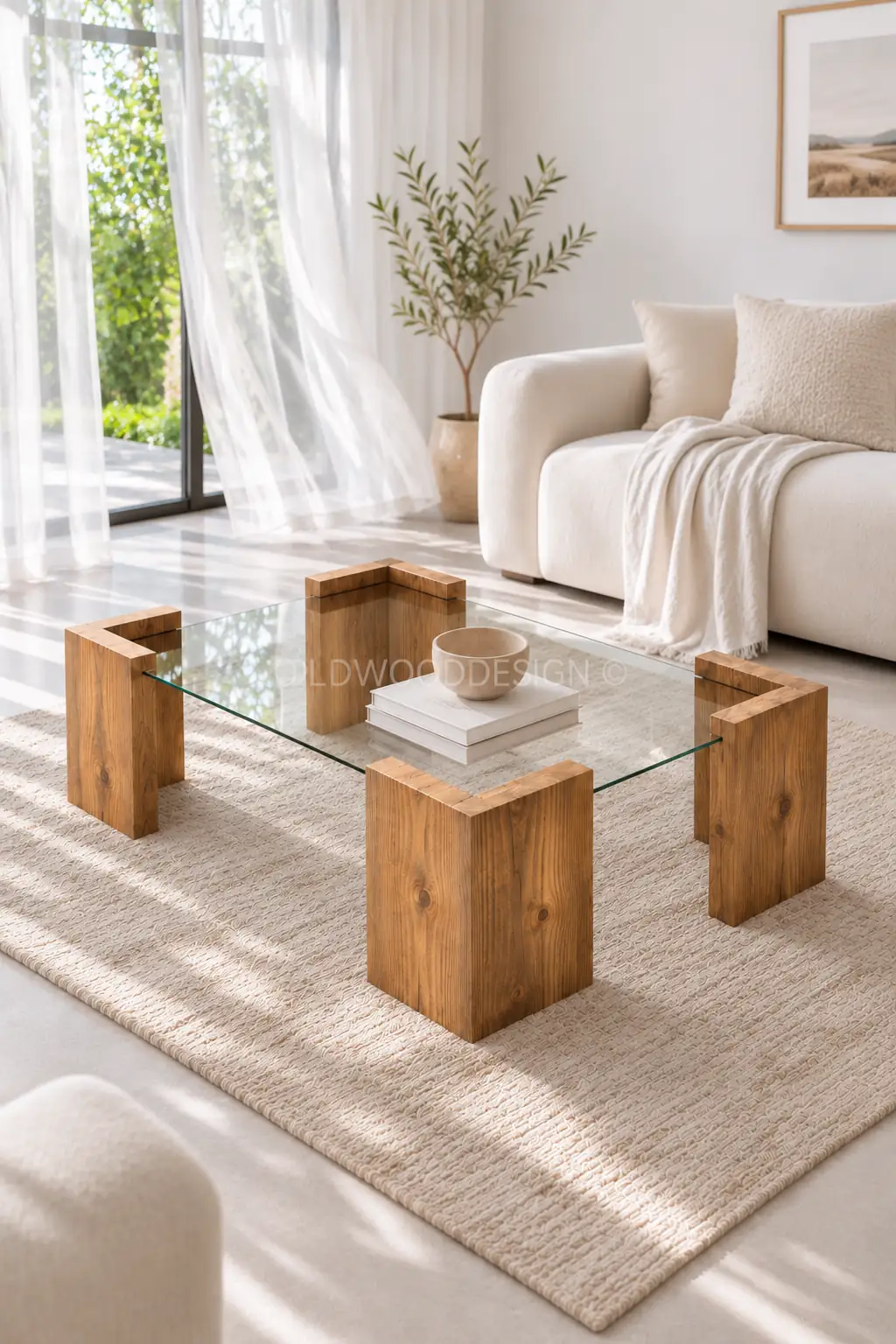

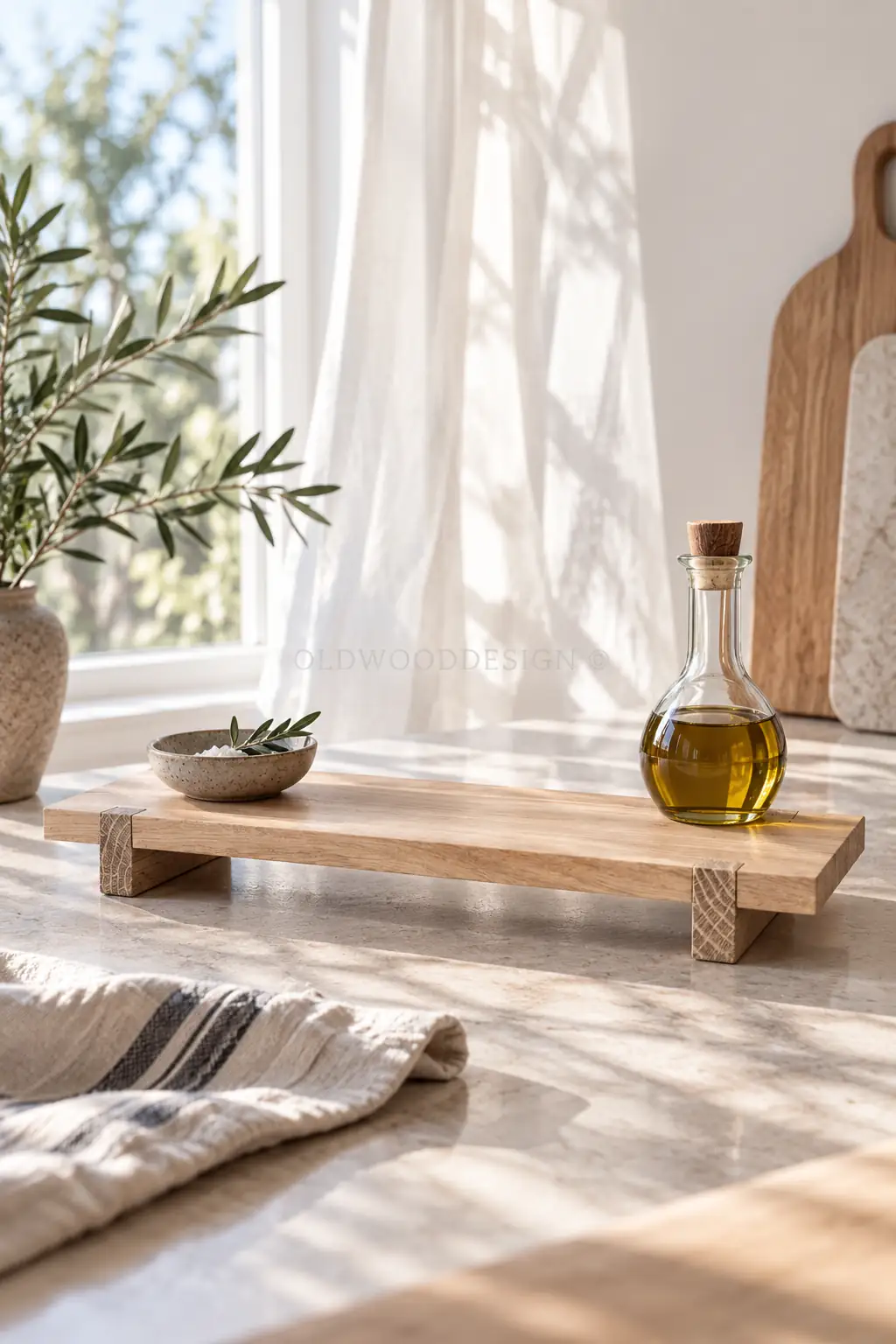
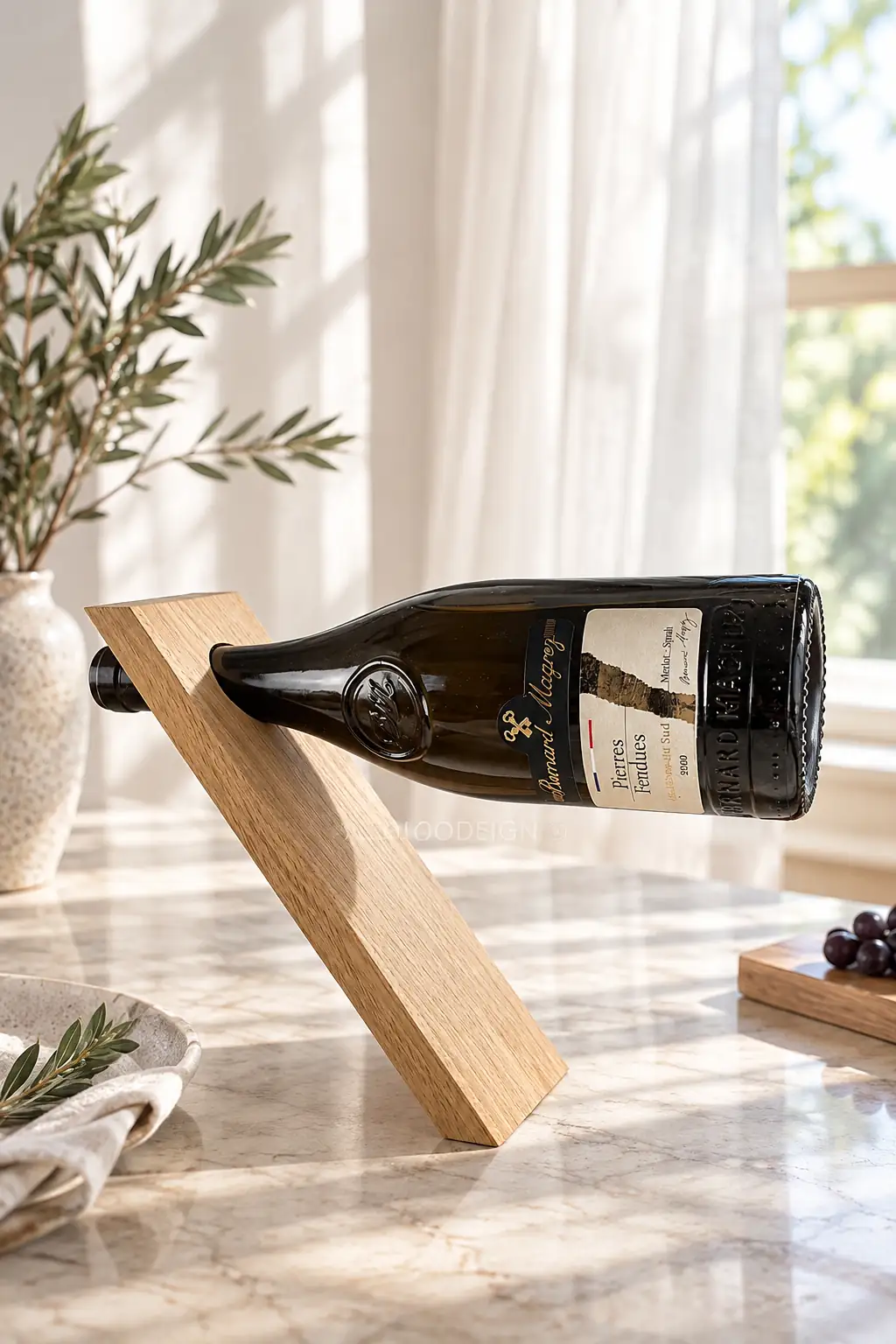
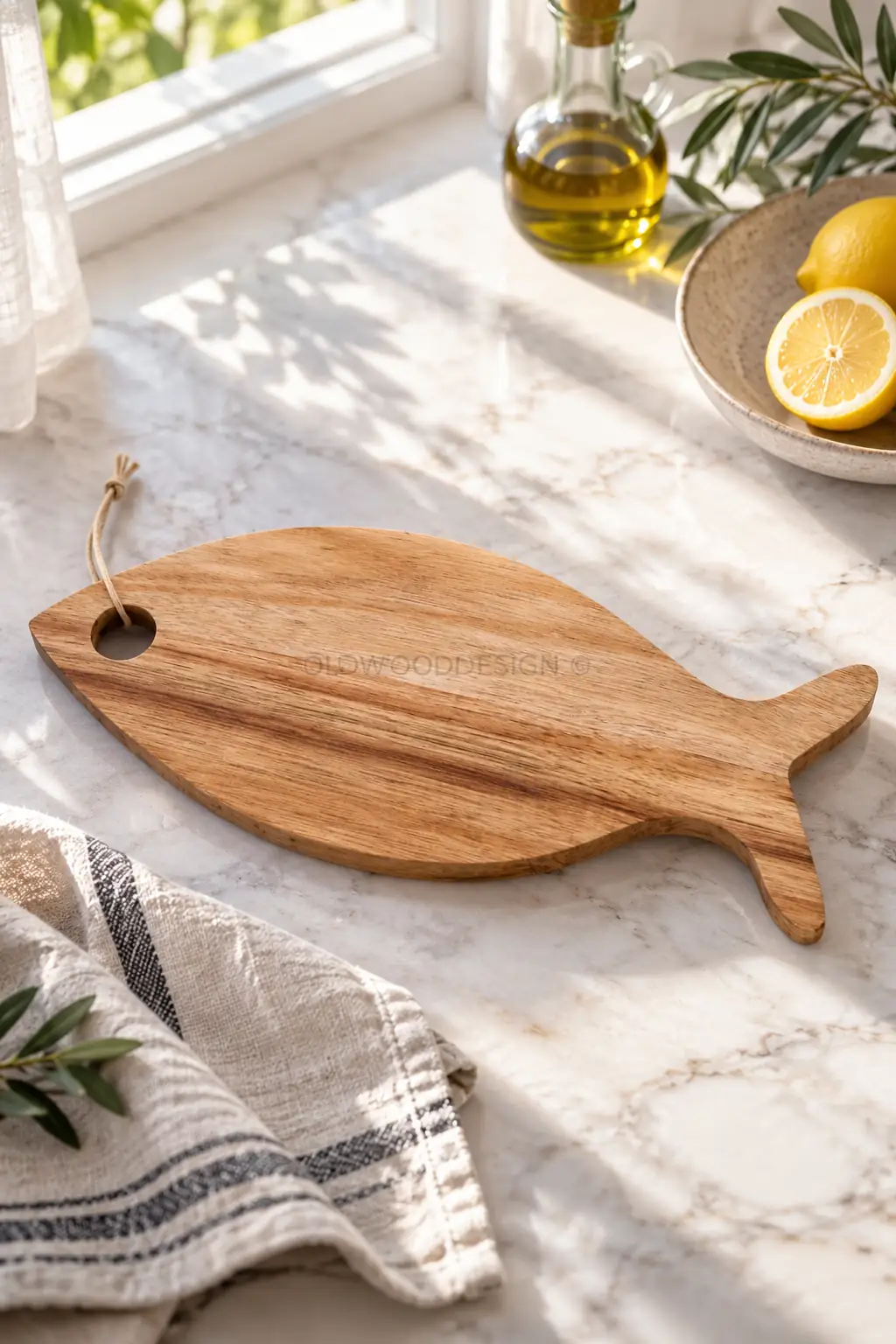

What Is Solid Wood? A Guide to Solid Wood Furniture
Natural, timeless furniture with its own distinctive character often starts with solid wood. Its grain, color variations and texture make every piece unique.
What exactly is solid wood? How does it differ from wood-effect furniture, and what should you look for before buying it? This guide covers the essentials.
What Is Solid Wood?
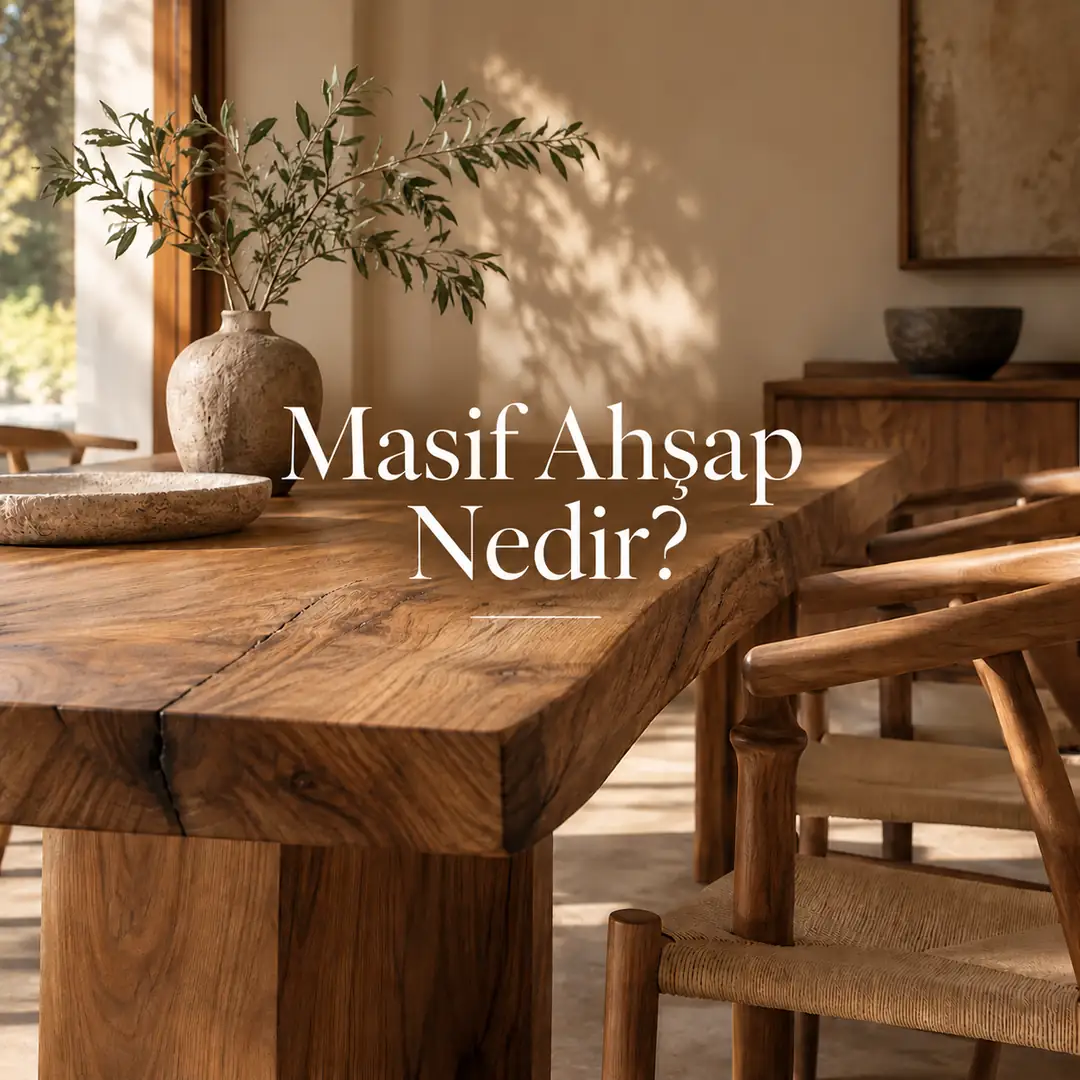
Solid wood is timber obtained from a natural tree. Unlike MDF, particleboard or similar composite panels, it retains the structure and character of the original wood.
The grain, changes in color and small natural variations you see on a piece of solid wood furniture are part of the tree itself. Even two pieces made from the same species may have different knots, grain patterns and tones. This individuality is one of solid wood’s defining qualities.
How Does Solid Wood Differ from MDF and Particleboard?
Furniture can be made from solid wood, MDF, particleboard, plywood or veneered materials. The main difference is their structure: solid wood comes directly from a tree, while MDF and particleboard are manufactured by pressing wood fibers or particles together with binding agents.
Each material has its uses. Choosing solid wood preserves the natural texture, grain and character of the tree. For dining tables, coffee tables, sideboards, bookcases and desks intended for years of use, it offers an enduring option.
The Advantages of Solid Wood Furniture
A natural appearance
Wood grain, texture and color bring warmth and natural character to a room. Solid wood furniture works well in both modern and traditional interiors.
Every piece is unique
Natural wood is not a completely uniform material. Two pieces from the same species may differ in grain and color. These differences are part of its character rather than a defect.
Timeless design
Wood remains relevant as interior trends change. A solid wood table with simple lines can suit a modern home today and a different decorating style years later.
The potential to repair and refinish
Well-made, properly maintained solid wood furniture can be used for many years. Some surface marks and wear can be treated, depending on the construction and finish. This makes solid wood a valuable material for long-term use.
What to Look for When Buying Solid Wood Furniture
1. Identify the wood species
Ask which type of wood is used. The word “wood” alone does not provide enough information.
2. Check the dimensions
Make sure the dimensions suit your space, especially when choosing a dining table, desk, bookcase or TV stand.
3. Understand the finish
Oil, varnish and other finishes can affect appearance and everyday use. Find out how the surface is protected and how it should be maintained.
4. Consider the quality of construction
Solid wood alone does not guarantee quality. Design, joinery, material selection, drying, finishing and workmanship all matter.
5. Expect natural variations
A piece of solid wood furniture will not necessarily have the exact grain shown in a photograph. Knots, grain direction and changes in tone are part of natural wood.
How to Clean Solid Wood Furniture
Generally, avoid excessive water and harsh chemicals. For everyday cleaning, use a soft, slightly damp cloth and dry the surface afterward.
Not all solid wood furniture has the same finish, so follow the manufacturer’s care instructions. Avoid leaving hot, wet or color-transferring objects directly on the wood for long periods.
Why Is Solid Wood Timeless?
Furniture trends, colors and interiors change, but the character of natural wood endures. A solid wood table can adapt to changing spaces, and the character it develops with age is part of its appeal. It can become a lasting part of everyday life.
Solid Wood at OWD
At OWD, solid wood is a fundamental part of our design. We aim to preserve each tree’s natural grain and character while creating simple, functional furniture for years of use.
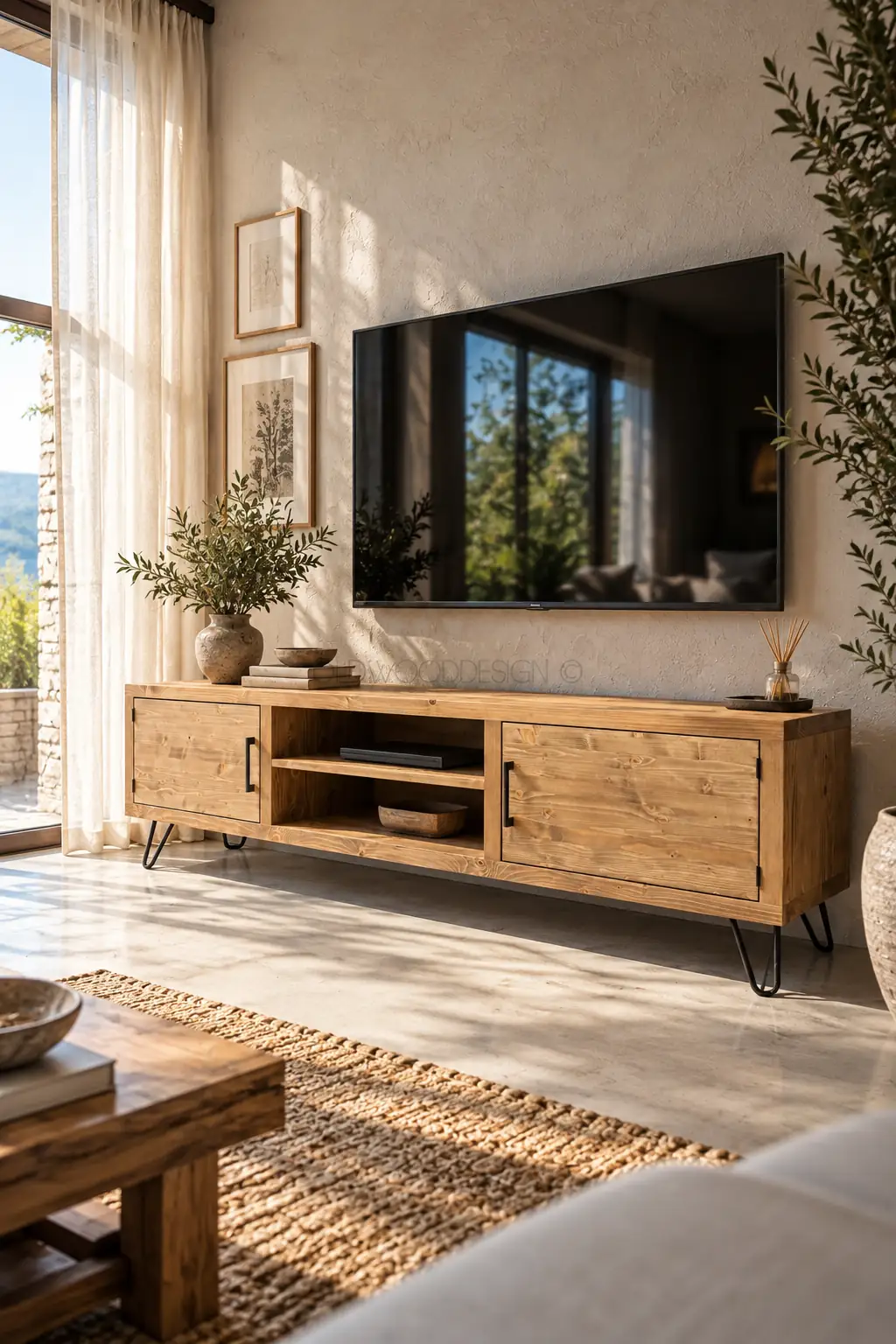
We make solid wood dining tables, sideboards, bookcases, TV stands and desks for different living spaces. For custom sizes and designs, we consider the intended space and how the furniture will be used.
Choosing Solid Wood Furniture
Look beyond appearance. Consider the wood species, construction, finish, dimensions and intended use together. Well-designed, well-made solid wood furniture can become part of your home for many years. Explore OWD’s solid wood collection to discover the character of natural timber.
Choose Furniture for the Way You Live
Once you understand the material, consider how you will use it at home. Explore solid wood dining tables for family meals and wooden desks for a computer, monitor and daily work. If storage and media equipment are your priority, compare TV stands and their dimensions.
Can you identify the wood species from its color?
Color alone is not enough. A walnut-colored finish does not necessarily mean a piece is made from walnut. Check the material, finish and selected size separately. Natural grain and knots will also vary.
What care information should you ask for?
Find out whether the surface is oiled or varnished and which cleaners are suitable. Read our solid wood care guide for everyday advice. Consider your care routine alongside the design when choosing a piece.

Lorem ipsum dolor sit amet, consectetur adipiscing elit. Suspendisse velit nisl, aliquam eget sodales in, scelerisque malesuada lorem. In nec pretium purus, eu accumsan ante.